 by admin
Leonor de Guzmán was the most powerful woman in the Castile of her time without ever becoming queen. Companion of Alfonso XI for more than twenty years and mother of ten of his children, her name is linked to the Alcázar of Cordoba and, according to tradition, to its royal baths. Here is her life story, her connection with the monument and the tragic end that turned her into a legend.
Who was Leonor de Guzmán
Leonor Núñez de Guzmán was born in Seville around 1310 into one of the most influential noble families in Andalusia. She married the nobleman Juan de Velasco very young and was widowed soon after, while still a teenager. According to the chronicles she was cultured, beautiful and highly skilled at navigating court life.
Around 1329 she met the young king Alfonso XI, who had just married Maria of Portugal for reasons of state. From then until the king’s death, Leonor was his inseparable companion, while the lawful queen was pushed into the background.
A royal favourite with real power
Leonor was not merely a mistress. She received lordships and revenues, including towns such as Medina Sidonia, influenced appointments and accompanied the king on his travels and military campaigns. The ten children she had with Alfonso XI received titles and estates, and one of them, Henry of Trastámara, born in Seville in 1334, would go on to reign as Henry II of Castile.
We have already told the couple’s story from a political angle in our post on Alfonso XI and Leonor de Guzmán. Here we focus on her: her role at court and her mark on the Alcázar.
Leonor de Guzmán and the Alcázar of Cordoba
From 1328 Alfonso XI promoted the construction of the Alcázar of the Christian Monarchs on part of the old Andalusian palace. Cordoba was a key stronghold on the border with the Nasrid kingdom of Granada, and the king spent long periods in the city with Leonor and his entourage.
The royal baths: a gift for Leonor?
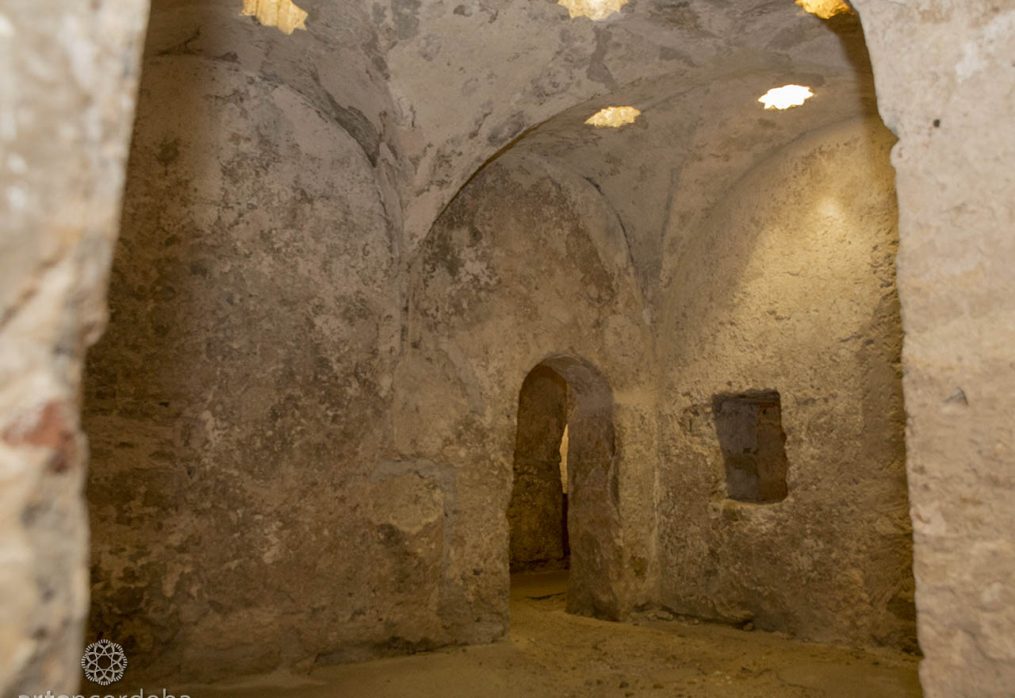
Local tradition associates Leonor de Guzmán with the Alcázar’s Mudejar royal baths, built in the time of Alfonso XI. It is said the king had them built with her in mind. No document confirms it, but we do know the baths were part of the palace’s private quarters and followed the model of the Andalusian hammam.
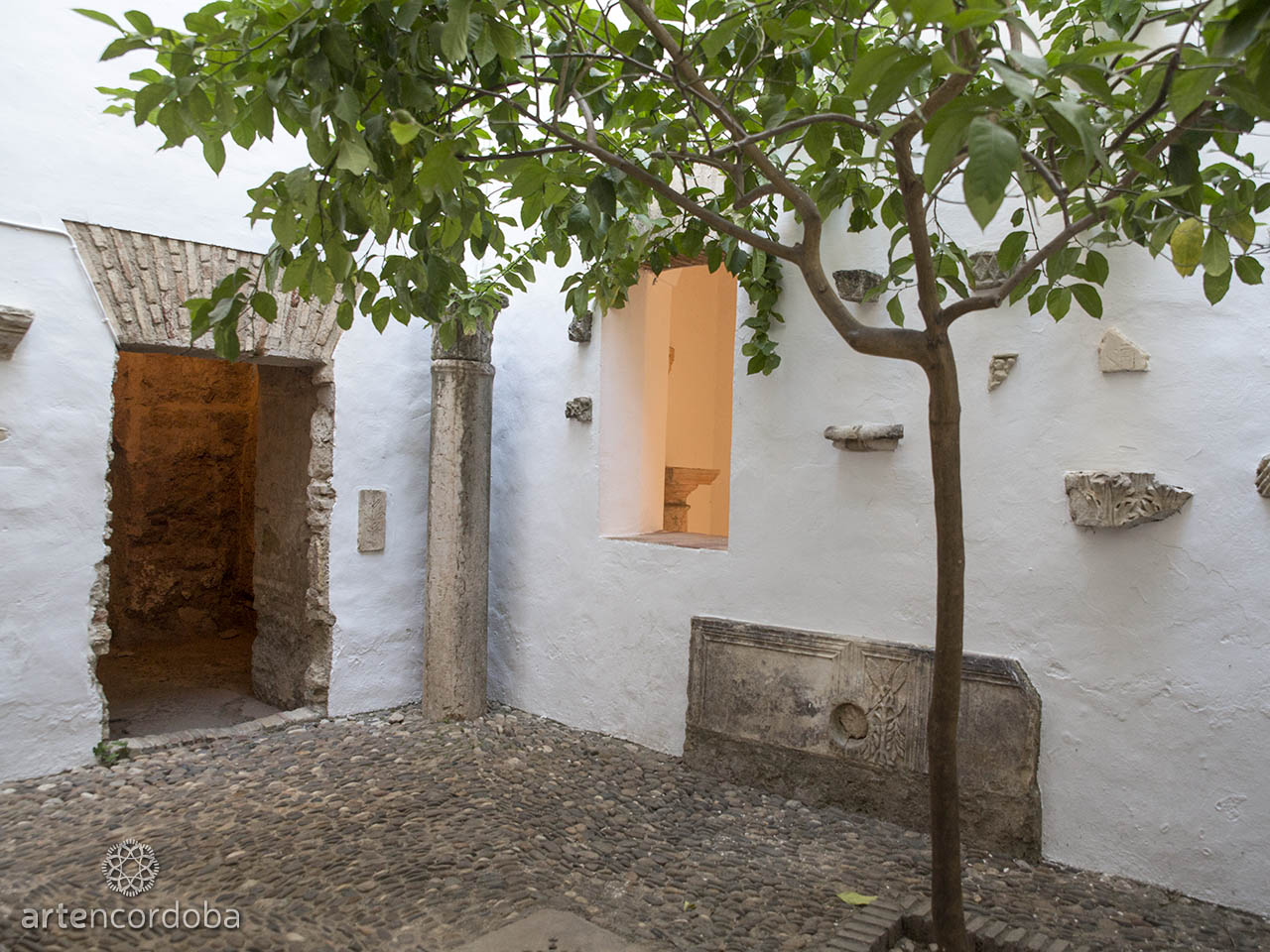
The baths are laid out as a sequence of cold, warm and hot rooms, covered by vaults pierced with star-shaped skylights that let in a soft light. If you would like to compare, read our article on the Caliphal Baths, the Umayyad hammam nearby, some four centuries older.
The fall of Leonor de Guzmán
In 1350 Alfonso XI died of plague during the siege of Gibraltar. With him went Leonor’s protection. The new king, Peter I, son of Maria of Portugal, was still very young, and the widowed queen saw her chance to avenge years of humiliation.
Leonor was arrested and moved from place to place until, in 1351, she was executed in Talavera de la Reina on Queen Maria’s orders. Her death opened a deep wound in the royal family: her sons, led by Henry of Trastámara, fought Peter I for years in a civil war that ended in 1369 with the king’s death at Montiel and Henry II’s accession to the throne.
From royal favourite to founder of a dynasty
Paradoxically, the woman who was never queen became the origin of a new dynasty. The Trastámaras, Leonor’s descendants, ruled Castile and Aragon for over a century, and from them descend the Catholic Monarchs, who also lived in this very Alcázar.
Frequently asked questions about Leonor de Guzmán
Who was Leonor de Guzmán?
She was a noblewoman from Seville, born around 1310, who became the companion of King Alfonso XI of Castile from 1329 until his death in 1350. She had ten children with him, including Henry II of Trastámara, and built up great political and economic power at the Castilian court.
What is Leonor de Guzmán’s connection with the Alcázar of Cordoba?
Leonor spent long periods in Cordoba with Alfonso XI, the king who built the Alcázar of the Christian Monarchs. Local tradition links her with the palace’s Mudejar royal baths, said to have been built with the king’s favourite in mind, although no documents confirm this.
How did Leonor de Guzmán die?
After Alfonso XI died in 1350, Leonor lost his protection. The widowed queen, Maria of Portugal, ordered her arrest, and she was executed in Talavera de la Reina in 1351. Her death triggered the conflict between her sons and King Peter I, which led to a civil war.
Can you visit the baths of the Alcázar of Cordoba?
The Mudejar royal baths are part of the usual route around the Alcázar, but the monument is undergoing restoration work and some interior areas may be closed. Before you go, check which spaces are open in our update on visiting the Alcázar in 2026.
Leonor de Guzmán’s story is one of the most fascinating kept within the walls of the Alcázar. If you want to walk through the settings of her life and discover other stories of the monument, join our guided tour of the Alcázar of Cordoba.