 by admin
The Gardens of the Alcázar of Córdoba are among the most iconic and fascinating spaces in this Andalusian city. With a history going back to Roman times and a clear Islamic influence, the gardens offer a haven of peace, beauty and nature. This green corner of the Alcázar of the Christian Monarchs bears witness to the city’s evolution and rich cultural heritage.
The history of the Gardens of the Alcázar of Córdoba
A legacy of the caliphs
The roots of the Gardens of the Alcázar of Córdoba go back to the rule of the caliphs in the 10th century. At that time the first courtyards and orchards were laid out, defining the Andalusian garden style based on water, vegetation and enclosed spaces. These gardens had both an aesthetic and a practical purpose, serving as a place of rest and contemplation for the city’s elite.
Transformations over the centuries
Over the centuries, the Gardens of the Alcázar of Córdoba have undergone many changes. After the Christian conquest, Renaissance and Baroque elements were added. Even so, the essence of the Islamic garden, with its focus on water and geometric design, is still present in today’s layout.
The architecture of the gardens
Key elements of the design
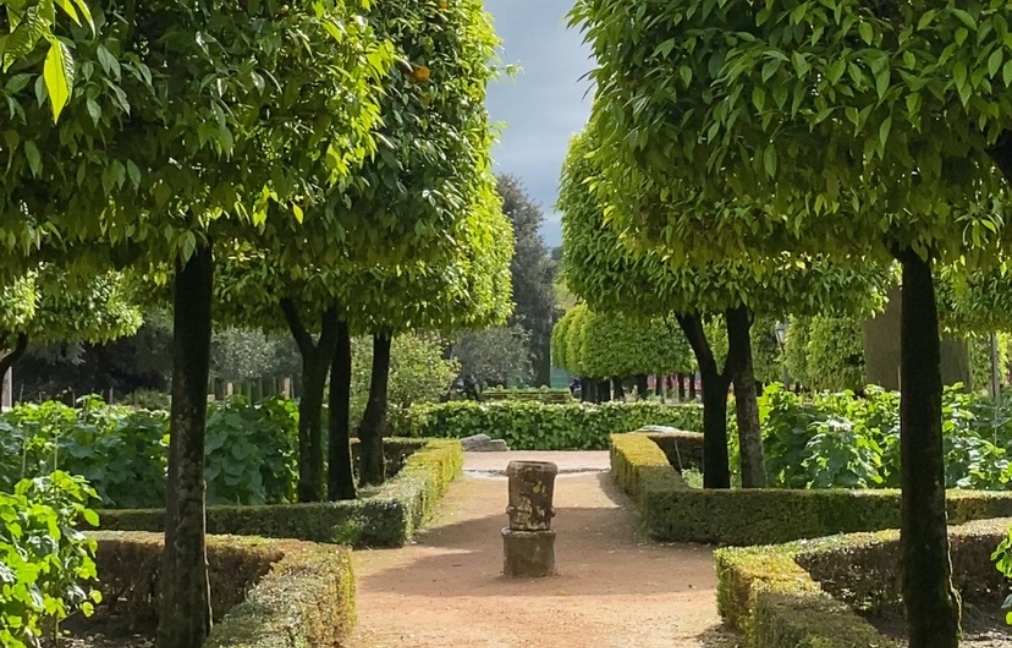
The layout of the gardens follows the classic model of Islamic gardens, with enclosed spaces surrounded by fountains, fruit trees and flowerbeds. The presence of water, through fountains and channels, is one of the most striking features. Water is not only decorative but also symbolic, representing life and purity.
Highlights
Within the Gardens of the Alcázar of Córdoba there are several spaces worth your attention, each with its own history and atmosphere that contributes to the overall experience. With their elegant fountains and exquisite architectural details, these corners make the gardens a place full of magic and serenity.
Plants and wildlife in the gardens
Native and exotic vegetation
The Gardens of the Alcázar of Córdoba are home to a rich variety of plants, including species typical of Andalusia such as jasmine, geraniums and bougainvillea, as well as exotic species introduced over the centuries. Together with the orange trees and cypresses, these flowering gardens create a unique atmosphere that changes with the seasons.
A refuge for local wildlife
As well as plants, the Gardens of the Alcázar of Córdoba are home to various species of wildlife, mainly birds that find refuge here. Among them you can see pigeons, songbirds and small insects, all contributing to the site’s biodiversity.
Water: a vital element of the gardens
The importance of water in the design
Water has been an essential part of the design of the Gardens of the Alcázar of Córdoba from the very beginning. Fountains, pools and channels not only beautify the landscape but also cool the air during Andalusia’s hot summers. The sound and sight of water bring the sense of calm so characteristic of Andalusian gardens.
Iconic fountains and pools
The fountains and long pools of the gardens are a perfect example of the decorative use of water, carefully designed to reflect the harmony and balance of nature.
FAQ about the Gardens of the Alcázar
When were the Gardens of the Alcázar created?
The origins of the Gardens of the Alcázar lie in the 10th-century caliphal period, although they have been modified and extended many times since, especially after the Christian conquest and during the Renaissance. Much of today’s layout dates from the 20th century.
What makes the gardens special?
The Gardens of the Alcázar of Córdoba are unique thanks to their Andalusian design, which features water, enclosed spaces, fountains and a rich variety of plants. Their history of transformations, blending Islamic, Renaissance and Baroque styles, makes them a place full of history and beauty.
What kind of plants can you find in the gardens?
The Gardens of the Alcázar of Córdoba have a wide variety of plants, from Andalusian species such as jasmine and geraniums to exotic species introduced over the centuries. Orange trees, cypresses and flowerbeds are the main features of the landscape.