 by admin
Córdoba is a must-visit destination for anyone who loves culture, history, art, traditions and food. Without a doubt, everyone should visit the city at least once in their life. But how many days do you need to get to know Córdoba? The honest answer, if you really want to know the city, is 365 days a year. And even then, there would still be plenty of surprises left to discover.
That said, if you are reading this, don’t worry: I know you don’t have that much time for sightseeing (if only we could spend the whole year travelling). Most people who come to Córdoba are passing through on their way somewhere else, or are here for a weekend or a long weekend.
In this article I will try to make sure that the days you spend in the city make you fall in love with one of the most fascinating destinations in the world: Córdoba.
Before we start, remember that there are many ways to discover Córdoba, and each of us has to find the one that best suits our personality. This is one of the cities with the most UNESCO heritage listings: the Mosque-Cathedral of Córdoba and later its historic centre, the Córdoba Patios Festival and the Caliphal City of Medina Azahara, plus other shared listings such as Flamenco and the Mediterranean Diet, which have their own special interpretation here. So if you are thinking of visiting Córdoba and want a unique experience, get in touch with us and we will help you enjoy every second of your time in the city.
What to see in Córdoba: day 1
Although we would all like much more time, sometimes we have less than 24 hours to see the city. The same questions always come up: what should I see in Córdoba in one day? How can I make the most of my time and leave with a good impression of the city?
If that is your situation, my advice is to start your morning with a free walking tour of the historic centre. It starts in Plaza del Triunfo, between the Mosque and the Roman Bridge, next to the Puerta del Puente. On this guided free tour you will get your bearings in Córdoba, start moving through its streets and locate some of its main monuments and squares, and you will discover the history that shaped this thousand-year-old city and the reason for its maze of streets. In about two hours you will understand why UNESCO is so fond of Córdoba.
The tour ends in Plaza de la Corredera, right in the city centre, an ideal place for a first break of the morning: sit at one of its many terraces and enjoy a beer, a soft drink or a glass of the local Montilla-Moriles fino.
Very close to this square is the next stop on our route: the Palacio de Viana. Although it is less than a 10-minute walk to the entrance, I always give the same advice to anyone visiting Córdoba: “don’t take the direct route, get lost in the side streets”. By taking a small detour you will come across characteristic places such as the churches of San Lorenzo and San Agustín.
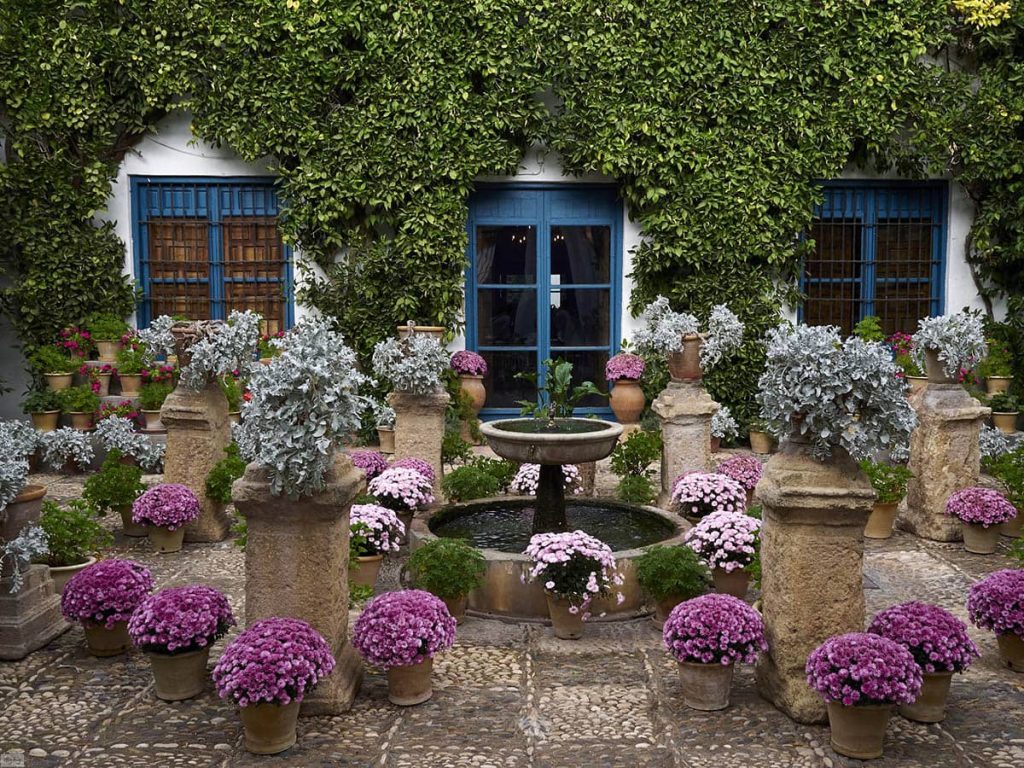
At the Palacio de Viana you will discover a monument whose origins go back to medieval times but which kept changing and growing until the 20th century. It is a fairly unknown place, especially on short visits to the city, yet it is an essential stop for understanding the essence of Córdoba society from the 15th century to the present day. The ticket (10 €) includes a self-guided visit to the twelve patios and garden surrounding the house, a great way to get a taste of the Córdoba patio tradition on a short visit, and a guided tour of the palace interior and its collections.
When you leave the palace, the most important thing is still to come, and your stomach will be in charge, so it is time to stop for lunch. Have a look at our earlier blog posts with recommendations for some of the best and most traditional restaurants and taverns, but if you don’t want to go far from Viana, or your energy won’t allow it, right next to its doors you will find Taberna El Rincón de las Beatillas, an excellent choice for trying typical Córdoba cuisine.
At this point, after getting your strength back, you will be wondering when to visit Córdoba’s best-known monument: the Mosque-Cathedral.
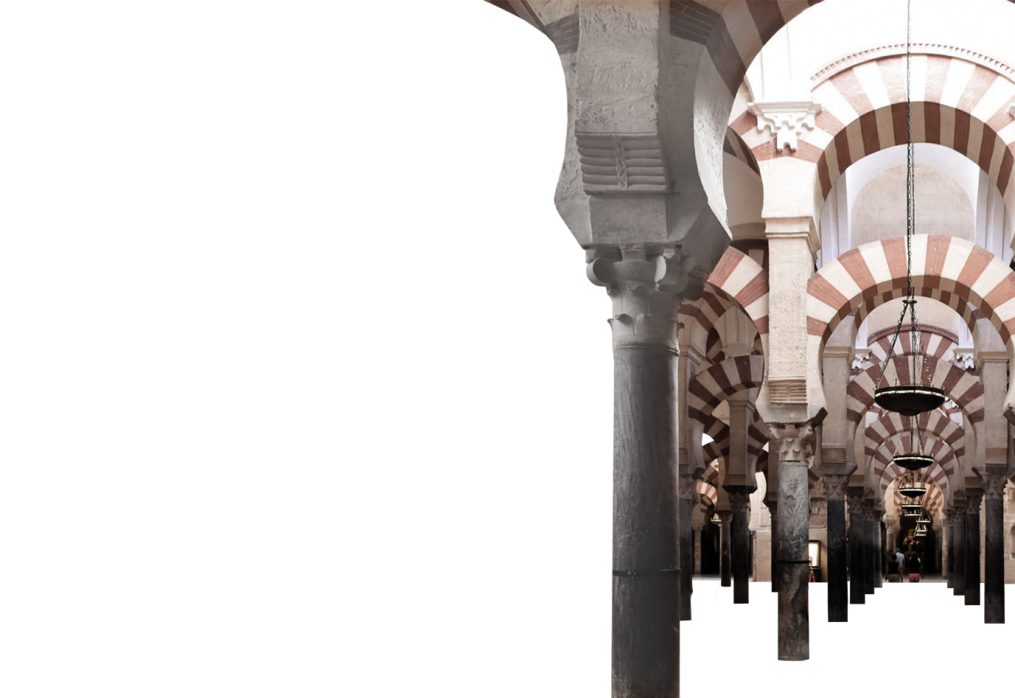
Well, now is the time. Head back to where you started your morning and you will find the largest and best-known building in the city. I recommend booking a guided tour of the interior, because that way you will not just see it but truly understand a place unique in the world, with more than a thousand years of history. If you have followed my advice so far, your guide will be waiting at the main entrance, the Puerta del Perdón, right below the bell tower, ready to make you fall in love with this spectacular space.
When you finish your visit to the Mosque-Cathedral, you will probably be checking the time, as your stay in Córdoba will be coming to an end. But if you have an extra hour or so, make the most of it. You can continue with a guided tour of the Jewish Quarter and visit the Synagogue, one of only three medieval synagogues left in Spain. In the same neighbourhood you will find plenty of souvenir shops to buy a memento of your visit to Córdoba.
You may not have time for anything else, but if your schedule allows, try to catch the sunset. Cross the Roman Bridge, walk around the Calahorra Tower and look out over the Guadalquivir. It is the best possible way to end your day, with an unbeatable panoramic view of the city of three cultures.
What to see in Córdoba: day 2
If you are planning your trip to Córdoba, you have probably already realised that one day is not enough (thank you for that thought), and you are likely looking for somewhere to stay so you can extend your visit. Our blog has a list of 10 charming hotels in Córdoba that can help you find the best place to sleep. If that is your case, let me give you two pieces of advice: if you spend more days in the city, slow down and you will enjoy everything much more; and make the most of the last hours of the day, because Córdoba at night is one of the most beautiful sights you will see on all your travels.
If you are spending one night and wondering what to see in Córdoba in 2 days, I would not change much on the first day compared with what I recommended above (What to see in Córdoba: day 1), although I would change when you visit the Palacio de Viana. In other words, after the morning walking tour of the historic centre, instead of heading to the palace I would go back to the riverside to visit the Alcázar of the Christian Monarchs. Before lunch, a guided tour of the interior is highly recommended to get to know this 14th-century royal fortress and how it has changed and been used in different ways up to the present day. This does not mean skipping the Palacio de Viana, just leaving it for later.
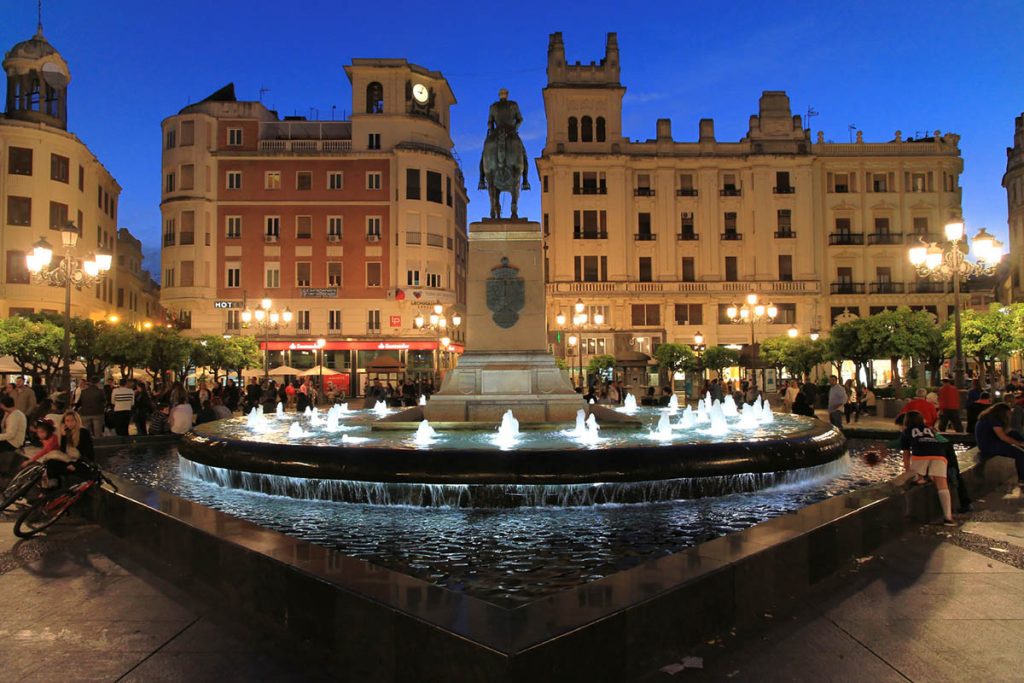
The other big change I recommend for the first day follows the advice I gave earlier: “make the most of the last hours of the day”. In the evening, after visiting the Mosque-Cathedral and the Jewish Quarter, join the night-time free tour starting in Plaza del Triunfo (where your morning tour began). This way you will discover other parts of the city such as the Alcázar Viejo neighbourhood, famous during the Córdoba Patios Festival, the city walls and Plaza de las Tendillas, the modern heart of Córdoba, where the tour ends. In Tendillas you will see that Córdoba is not just a historic city but a very lively one today, and you will find plenty of options for dinner nearby.
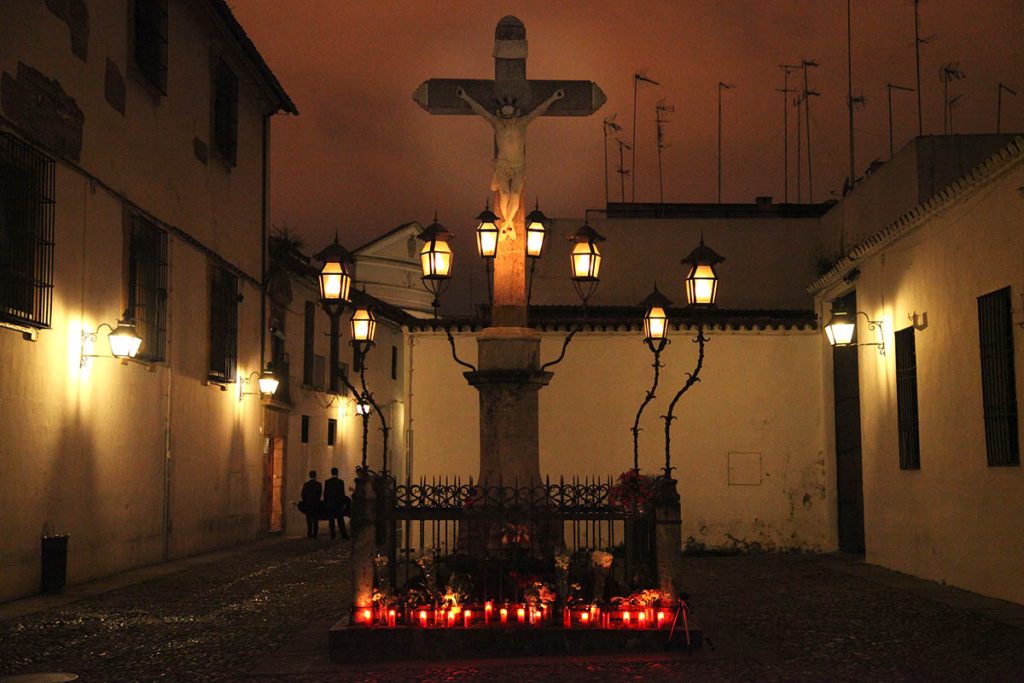
Before ending your first day, enjoy the calm of the Córdoba night and take a walk to the Cristo de los Faroles in Plaza de Capuchinos. It is a breathtaking spot that will lead you towards the city’s most traditional neighbourhoods.
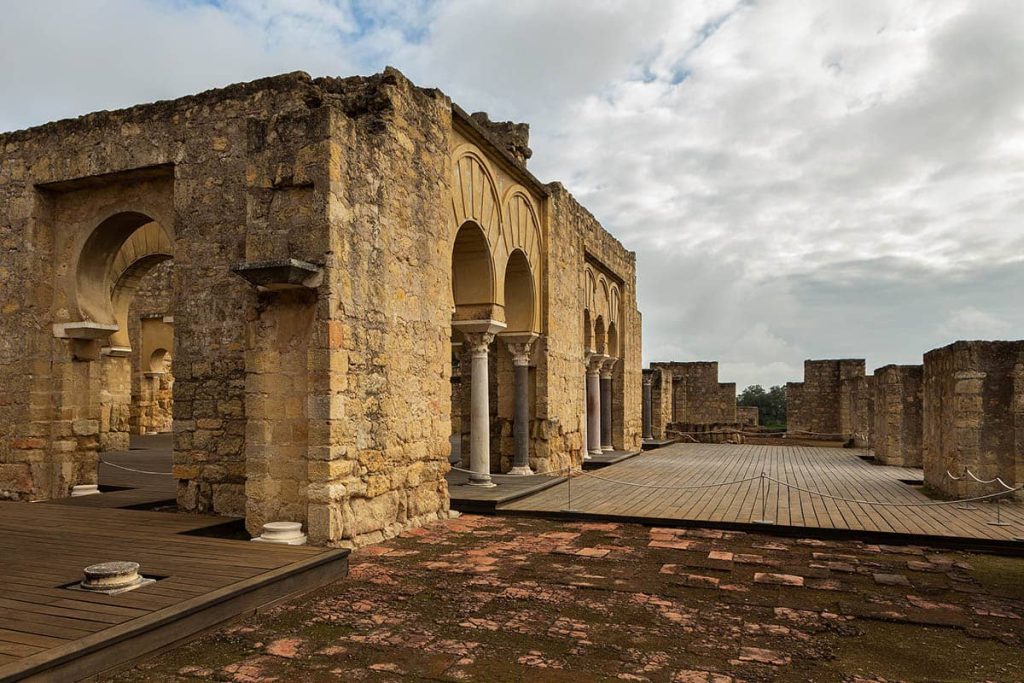
Start the second day full of energy, because your morning will be completely taken up and there is no excuse not to visit Medina Azahara, the Caliphal City. It is an archaeological site about 7 kilometres from the centre of Córdoba, but don’t worry if you don’t have a car: there is a bus that takes you right to the museum. Here I don’t just recommend, I almost insist that you book a guided tour, as the best way to enjoy the site is with a heritage interpreter; otherwise the visit loses much of its magic. When you book, we can also get your bus ticket or explain in detail how to get to the site in your own car.
Back in Córdoba, and with lunchtime upon you, I recommend booking a table at Taberna Moriles. Although it is a little further from the centre, it is on your way back from Medina Azahara, whether by car or by bus.
In the afternoon, catch up on the visit to the Palacio de Viana that you postponed the day before. Remember, don’t take the most direct route: get lost in Córdoba’s neighbourhoods and you will find wonderful spots all over the historic centre.
To make the most of the opening hours of Córdoba’s museums and monuments, after visiting the palace I have two suggestions. You won’t have time for both, so choose the one that suits you best. On one hand there is the Archaeological Museum, in my opinion the best museum in Córdoba. As well as being free for EU citizens, it holds a huge treasure: the remains of the ancient Roman theatre. If you prefer fine arts to archaeology, I recommend the pair formed by the Córdoba Museum of Fine Arts and the Julio Romero de Torres Museum, both in the former Hospital de la Caridad on Plaza del Potro (which you will already know from the walking tour). If you want to see all three museums and much more, the best thing is to extend your stay to a third day.
If you want to stay longer: what to see in Córdoba on day 3
After two intense days exploring the city, you will be sure of two things about Córdoba: first, that it is a wonderful destination, one of those experiences you will remember forever; and second, that even after not stopping for a second, there is still a lot left to see. So if you decide to stay an extra day, or you had already planned a longer trip and are wondering what to see in Córdoba in 3 days, here are my final recommendations.
First, use the morning to visit the museums you could not see the day before. If you chose the Archaeological Museum, now is the time to see the Fine Arts Museum and the Julio Romero de Torres Museum. If you visited those two on the afternoon of day 2, then head to the Archaeological Museum.
Besides these, there are three other very interesting museums for learning about some of the cultures that have shaped Córdoba: the Casa de Sefarad, which recovers the legacy of Judeo-Spanish (Sephardic) culture; the Casa Andalusí, which shows how the blending of East and West formed the culture of al-Andalus; and the Calahorra Tower, home to the Living Museum of al-Andalus and one of the best panoramic views of the city.
After a morning of museums exploring Córdoba’s artistic and cultural tradition, head to the Alcázar Viejo neighbourhood (which you will know from the night-time tour). Two things will take you there: first, you will be looking for somewhere to eat, and the neighbourhood has excellent taverns such as La Posada del Caballo Andaluz; second, after lunch you can take a guided tour of some of the city’s most award-winning patios and discover why this tradition is recognised by UNESCO as Intangible Cultural Heritage.
To end your adventure, time permitting, the Royal Stables of Córdoba (Caballerizas Reales) stand at the entrance to the neighbourhood, where you can enjoy the “Pasión y Duende del Caballo Andaluz” equestrian show, the perfect finishing touch to your experience in the city.
Finally, one practical tip: check opening times before planning your trip. Bear in mind that publicly owned monuments and museums close on Mondays and Sunday afternoons, and that some sites offer free entry at certain times on certain days. With this in mind you can rearrange your days and make the most of your visit. And if you want your visit to Córdoba to be truly unique, get in touch with us: we will be delighted to advise you and accompany you during your days in Córdoba.