 by admin
Introduction
The Alcázar of Córdoba, known in its earliest form as the Umayyad Alcázar, is an architectural treasure dating back to the Islamic period of the Iberian Peninsula. This fortress, built by the Umayyads in the 8th century, has witnessed many of the historical events that shaped the city of Córdoba. In this article we explore the rich history of the Alcázar, its cultural and architectural importance, and offer useful tips for anyone planning a visit.
Origins and construction of the Alcázar
The Alcázar was built under Abd al-Rahman I around the year 756 as a symbol of power and defence. Its original design drew on earlier Roman buildings while incorporating features of the Islamic architecture that would later define it.
The walls of the Alcázar rose as a powerful barrier against enemies, and its strategic location gave complete control over the city and its surroundings. Over time, the Alcázar became a centre of political and administrative power in Córdoba.
The architectural structure
The architecture of the Alcázar combines elements of the Islamic tradition with influences from later periods. Horseshoe arches, latticework and elaborate tile decoration are distinctive features of the style.
Structural details
The Alcázar has several rooms and elaborate courtyards, each with its own history and meaning. The famous Courtyard of the Women is one of the most visited spots, where you can appreciate the beauty and functionality of Islamic design.
The defensive towers
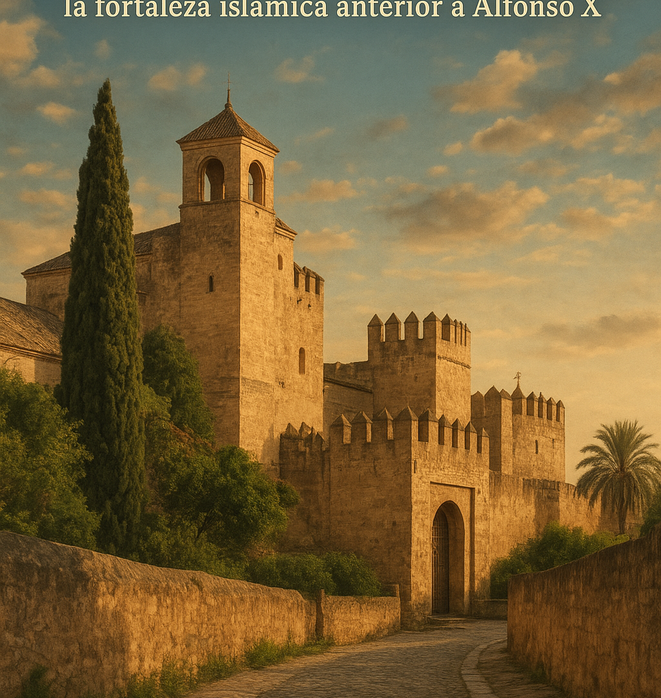
The towers of the Alcázar, such as the Keep (Torre del Homenaje), are impressive examples of the military architecture of the period. As well as being functional, they add an aesthetic majesty to the complex.
Historical highlights
Over the centuries, the Alcázar has been the stage for many historical events. After the Christian conquest in 1236, the Castilian crown enlarged and remodelled the Alcázar, adding Gothic and later Renaissance elements.
In the time of the Catholic Monarchs, the Alcázar served as a royal residence, and important treaties and agreements were concluded here.
Cultural and social life
Beyond its military and political importance, the Alcázar has played a key role in Córdoba’s cultural life. It has hosted many events, from concerts to art exhibitions.
Contemporary events
The Alcázar is a meeting place for contemporary artists and creators, where history and culture come together in a single space.
Tips for your visit
To make the most of your visit to the Alcázar, we recommend that you:
- Buy your tickets in advance to avoid long queues.
- Join a guided tour to learn interesting details and anecdotes.
- Visit at quieter times, such as first thing in the morning.
- Bring your camera: the gardens and courtyards are perfect for unique photos.
FAQ
What are the Alcázar’s opening hours?
The Alcázar generally opens every day, with hours that can vary by season. We recommend checking the official website before your visit.
Is it accessible for people with reduced mobility?
Yes, the Alcázar has adapted entrances and accessible routes for people with reduced mobility.
Are guides available in several languages?
Yes, guided tours are offered in several languages, including Spanish, English and French.
Can I bring a camera?
Yes, cameras are allowed, although you must respect the site’s rules and not use tripods or professional equipment without permission.
Conclusion
The Umayyad Alcázar offers not only a journey through Córdoba’s history but also a way into the rich cultural heritage of the Iberian Peninsula. Don’t miss the chance to explore this wonderful monument. Book your guided tour today and discover the secrets held within this impressive fortress.
One part of the great Umayyad Alcázar can still be visited just a few metres from today’s monument: its hammam. Read all about it in the Caliphal Baths, the Umayyad hammam of Córdoba.