 by admin
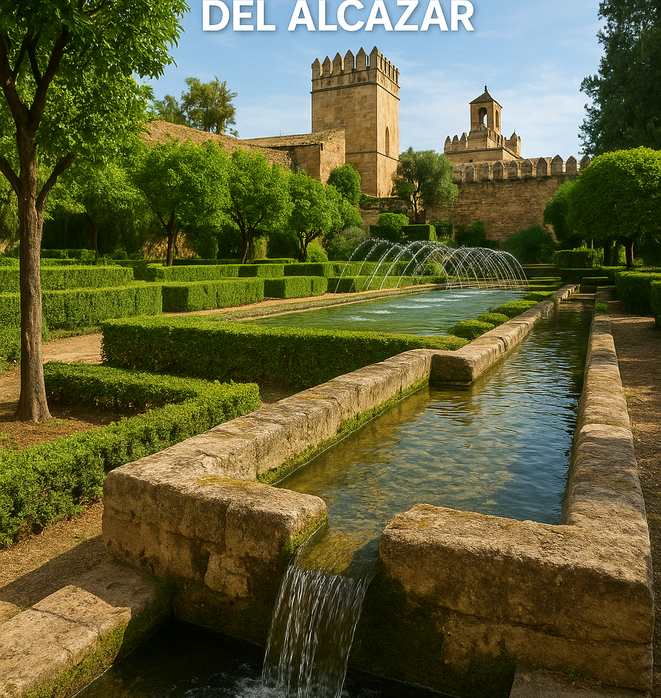
The gardens of the Alcázar of Córdoba, a magnificent example of Islamic and Renaissance design, are famous not only for their beautiful landscapes and clever layout but also for the sophisticated irrigation system that has survived over the centuries. This system not only supplied water to a variety of native and exotic plants; it was also a technological marvel of its time.
History of irrigation in the gardens
The Alcázar, also known as the Alcázar of the Christian Monarchs, was the residence of several kings and queens who took care to keep these gardens in perfect condition. The history of irrigation here goes back to the Islamic period, when the Arabs brought advanced hydraulic engineering techniques to the region.
The channels and ditches that make up the system were built to make use of water from the Guadalquivir River. Knowledge of agriculture and horticulture turned the Alcázar garden into an oasis within the city, a space for relaxation and contemplation.
The design of the irrigation system
The design of the irrigation system is a true art that has been refined over the centuries. The acequias are shallow channels that keep water flowing constantly, while the aljibes act as cisterns, ensuring a continuous supply even in times of drought.
Key components
- Cisterns (aljibes): collect and store water for later use.
- Channels (acequias): small channels that distribute water to different areas of the garden.
- Fountains and ponds: decorative features that also help water circulate.
The system was not only functional but also aesthetic, as the sound of running water creates a calm and soothing atmosphere.
Plants of the Alcázar gardens
The variety of plants in the gardens is impressive, featuring both native and exotic species carefully chosen to suit the region’s climate. Some of the most notable are:
- Jasmine: with its heady fragrance, a symbol of Andalusian gardens.
- Orange trees: offering visual beauty as well as their characteristic citrus scent.
- Palm trees: adding a tropical touch and an exotic atmosphere.
This diversity of plants attracts many pollinators, contributing to the biodiversity of the local ecosystem.
The impact of irrigation on local culture
The irrigation system has shaped not only the physical landscape of the Alcázar but also local culture. Water holds great importance in both Iberian and Muslim traditions, and these gardens became a symbol of peace and reflection.
Traditions and festivities
Local celebrations, often featuring music and dance, are enhanced by these gardens, which provide an ideal setting for cultural events.
Tips for your visit
If you are planning to visit the Alcázar gardens, here are some tips to help you make the most of your experience:
- Go early: avoid the crowds and enjoy a quieter atmosphere.
- Take a guided tour: expert guides will share valuable information you won’t find in leaflets.
- Bring water: exploring the gardens can be tiring, so stay hydrated.
FAQ
How much time should I spend in the gardens?
We recommend allowing at least two hours to explore the gardens properly and enjoy every corner.
Is there an entrance fee?
Yes, admission to the Alcázar of Córdoba is paid, with different prices for adults and students.
Can I take photos?
Yes, photography is allowed, although you should respect the site’s rules.
Are there special activities in high season?
In high season, the Alcázar offers night-time visits, which are an incredible experience.
Conclusion
Exploring the irrigation system of the Alcázar gardens means diving into the rich history and culture of Andalusia. Its ingenious design and its importance for the local plant life make this place an essential destination. Don’t miss the chance to discover this Andalusian oasis: book your guided tour today and enjoy a unique experience!