 by admin
The Alcázar of Córdoba, one of the city’s most iconic monuments, stands out for its rich history and unique architecture. Among its most fascinating features are the interior courtyards of the Alcázar of Córdoba, spaces that serve not only an aesthetic purpose but also a social and practical one. In this article we explore their history, their role in Islamic architecture and how they have evolved over time.
The importance of interior courtyards in Islamic architecture
In Islamic architecture, the interior courtyards of the Alcázar of Córdoba are a symbol of balance and harmony. They were places for rest, social interaction and coolness on hot days. The courtyard was the heart of the Muslim home, where daily life unfolded in an intimate, protected setting.
Organising space around the courtyard
These courtyards shaped the layout of the rooms around them, ensuring privacy and tranquillity. This arrangement was key in Islamic culture, which valued enclosed, cool and quiet spaces.
The Moorish Courtyard: a gem among the Alcázar’s courtyards
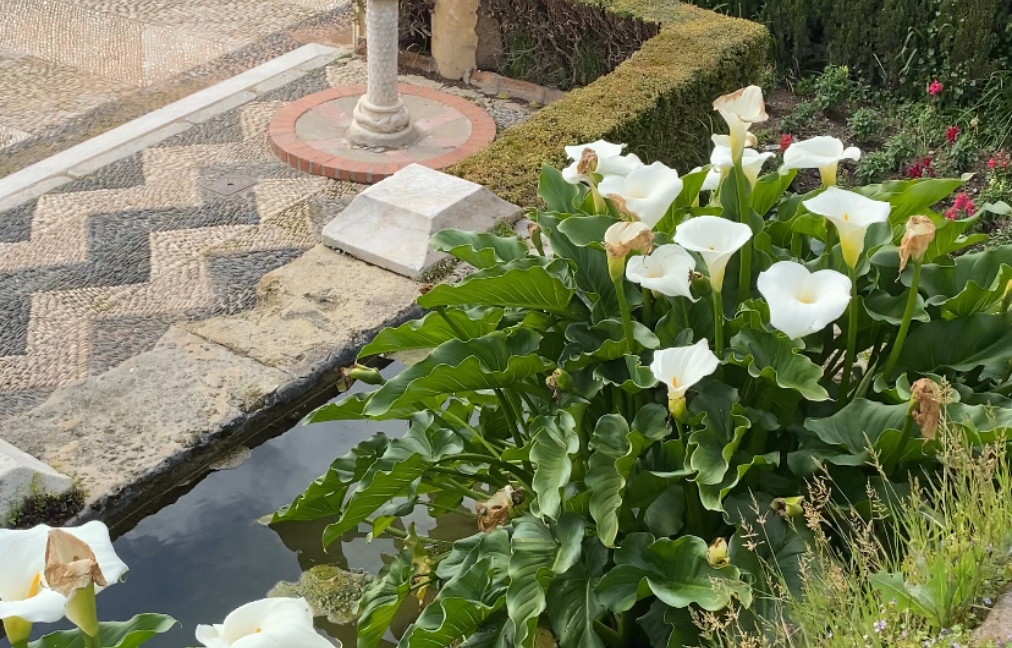
Among the interior courtyards of the Alcázar of Córdoba, the Moorish Courtyard (Patio Morisco) stands out for its beauty and its fusion of Islamic and Christian styles. Its central fountain, arcades and columns create a serene atmosphere for visitors.
Aesthetics and architecture of the Moorish Courtyard
This courtyard combines elements of the Spanish Renaissance with Moorish details. Its decoration, marble and water heighten the feeling of coolness and contemplation.
The Courtyard of the Women: privacy within the Alcázar
Another essential example of the interior courtyards of the Alcázar of Córdoba is the Courtyard of the Women (Patio de Mujeres), intended to give women privacy during the Islamic period. Access was restricted and its intimate design was adapted to the needs of women’s private life.
Design of the Courtyard of the Women
Its enclosed structure, central fountains and connection with the inner rooms provided coolness, security and calm on hot days.
Other interior courtyards and their social role
Besides the best-known ones, the Alcázar has smaller interior courtyards with various functions, from rest areas to service areas. All shared a common aim: creating functional, cool spaces.
Courtyards in the gardens of the Alcázar
The Alcázar gardens also contain courtyards that enhance the sense of harmony with nature. Water, plants and scents create the perfect atmosphere for contemplation.
Courtyards and nature
Vegetation and fountains were essential elements. The interior courtyards of the Alcázar of Córdoba reflect the integration of nature into daily life, in line with Islamic principles.
Courtyards and social life in medieval Córdoba
In medieval Córdoba, courtyards were centres of social life. Family gatherings, community events and conversations took place in these spaces, carefully designed for living together.
FAQ about the interior courtyards of the Alcázar of Córdoba
What makes the interior courtyards of the Alcázar of Córdoba special?
Their design blends functionality and symbolism. They provide coolness and beauty and reflect the architectural evolution from the Islamic period to the Renaissance.
What is the origin of the Moorish Courtyard?
The Moorish Courtyard dates from after the Christian conquest, combining Islamic and Renaissance influences, which makes it a key example of cultural blending in Spanish architecture.
Why is it called the Courtyard of the Women?
The Courtyard of the Women was a space reserved for women, ensuring privacy at a time when their social life took place in more restricted settings.