 by admin
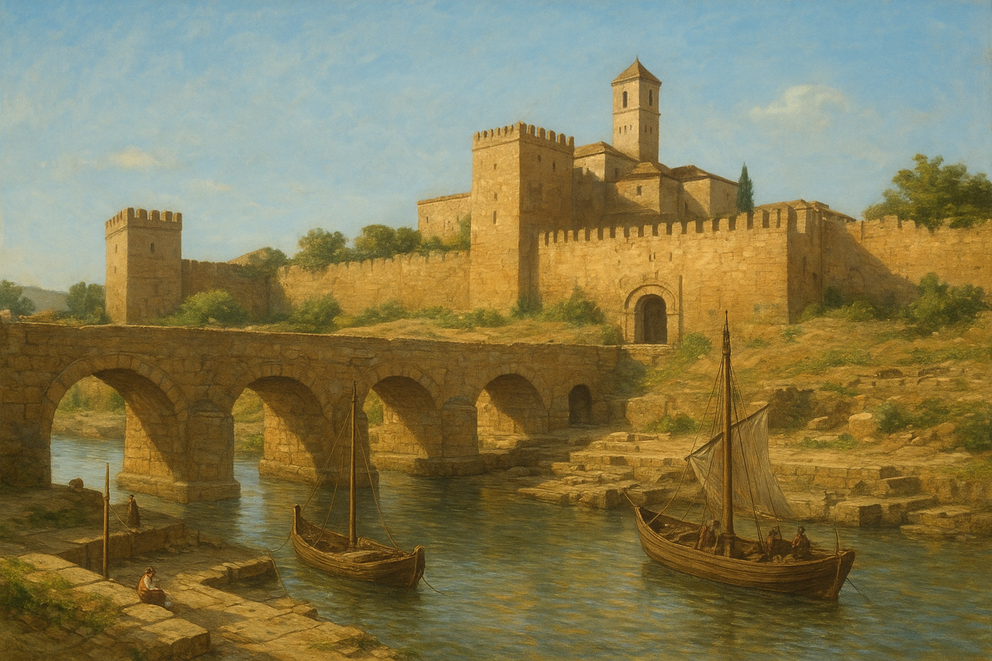
The Alcázar of the Christian Monarchs in Córdoba is known not only for its majestic architecture and rich history but also for the role played by the ancient Roman river port that once stood on the same site. In this article we explore the fascinating story of the Roman port that preceded today’s Alcázar, uncovering a hidden world that puts the historical and cultural importance of this iconic monument into context.
The rise of the Roman river port
In the 1st century BC, Córdoba became an important commercial and administrative centre under Roman rule. The city’s river port was strategically located on the banks of the Guadalquivir, making trade routes to other cities of the empire easier. The port was not only a place to exchange local goods but also a vital link with other Roman cities on the Iberian Peninsula and beyond.
The Guadalquivir was used to transport agricultural products such as olive oil, grain and wine, which were essential to the Roman economy. The port also played a crucial role in importing building materials and luxury goods, such as marble and precious metals, used to build edifices and monuments.
Architecture and organisation of the port
The Roman port of Córdoba included wooden quays and stone structures where vessels of different sizes could moor. Archaeological excavations have revealed traces of these quays, along with tools and artefacts from the period. The port’s function was complemented by workshops where local products were made.
The port was versatile: goods were loaded and unloaded, and trade took place in nearby spaces, creating a bustling atmosphere of cultural exchange and social interaction.
Changing uses through history
As the Roman Empire began to decline, Córdoba’s river port changed too. Shifts in the landscape and in trade routes, which increasingly moved overland, led to the gradual abandonment of the port. Over time, silting of the Guadalquivir also reduced its use.
Centuries later, during the Islamic period, this area became the site of the great Umayyad palace complex, and later of what we know today as the Alcázar of the Christian Monarchs, opening a new chapter in Córdoba’s history. Construction partly destroyed the remains of the Roman port, but its legacy lives on in the city’s history.
Archaeological finds and their heritage value
Recent excavations in the area of the Alcázar have uncovered numerous relics of the Roman port that bear witness to its splendour. These finds not only enrich our knowledge of Roman trade in Córdoba but also provide context for the later development of the Alcázar.
The objects discovered, such as anchors and pottery, offer a unique insight into the commercial life of the time. This material legacy underlines the importance of preserving and studying the remains of the port, which enrich the city’s historical narrative.
Tips for your visit
If you want to explore the Alcázar of the Christian Monarchs and its lesser-known history, consider taking a guided tour. Here are some extra recommendations:
- Visit time: allow at least 2-3 hours to enjoy the Alcázar and its gardens.
- Local guide: a specialist guide can give you detailed information about the Roman port and its impact on Córdoba’s later development.
- Don’t forget your camera! The gardens and courtyards of the Alcázar are spectacular and perfect for capturing memories.
FAQ
Can you see remains of the Roman port at the Alcázar?
Although much of the port was covered by later construction, some remains have been excavated and can be seen in exhibitions.
What goods were traded in the Roman port?
The most common goods included olive oil, grain, wine and building materials, all essential to the Roman economy.
Is it worth visiting the Alcázar in winter?
Yes, temperatures are milder in winter, making the visit more pleasant, and there are fewer tourists at that time of year.
How do I get to the Alcázar of the Christian Monarchs?
The Alcázar is in the centre of Córdoba, within walking distance of many other major sights, or you can use public transport.
Conclusion
The story of the Roman river port beneath the Alcázar of the Christian Monarchs is just one part of Córdoba’s rich history. To explore these layers of history and culture, we invite you to book your guided tour today. You will discover a fascinating world beneath the surface, where every stone tells a story and every corner holds secrets waiting to be revealed.