 by admin
The Alcázar of the Christian Monarchs in Córdoba is a place steeped in history, where moments of splendour and suffering intertwine, especially during the Inquisition. The dungeons of the Alcázar of the Christian Monarchs were not only used as a prison; they also became a symbol of the religious repression of the time. Here we tell you all about these grim chambers and their use during such a crucial period in Spanish history.
The Alcázar of the Christian Monarchs and its original role
The Alcázar of the Christian Monarchs was originally conceived as a royal residence. Over time, however, its purpose changed and it came to be used as a fortress and administrative centre. During the Inquisition, the site took on a much darker dimension, serving as the base for the imprisonment and torture of people accused of heresy and other religious crimes.
The fortress and its link with the Inquisition
The Alcázar was not only a refuge for the Christian monarchs but also a centre of territorial control. Its strategic location in Córdoba made it ideal for centralising power and exercising authority over the population, especially in times of religious persecution.
The role of the dungeons during the Inquisition
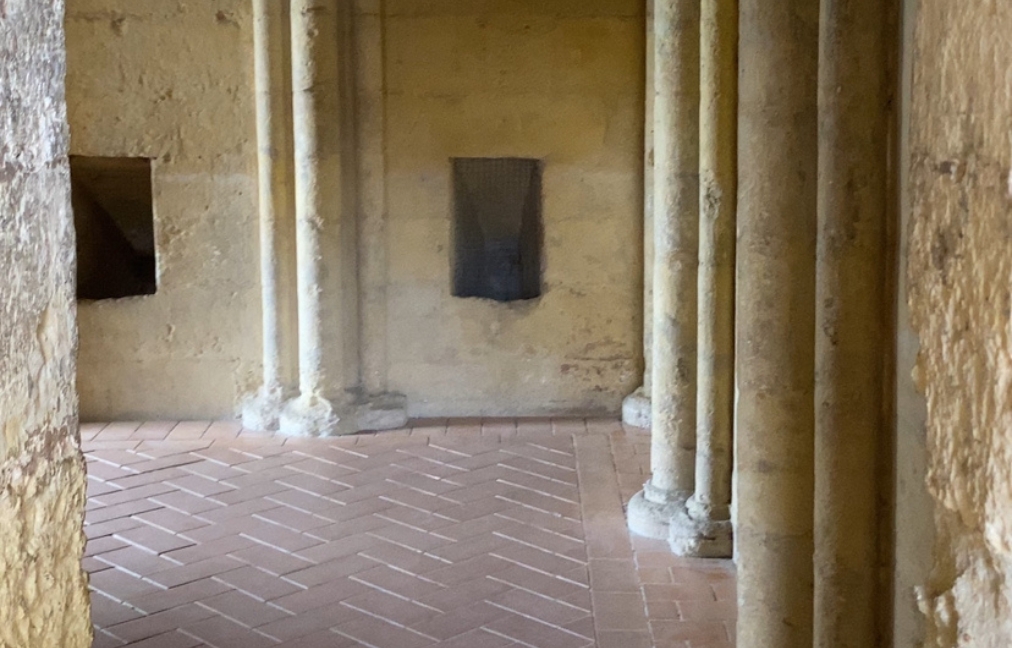
The dungeons of the Alcázar of the Christian Monarchs were dark, grim spaces where prisoners were subjected to cruel interrogations. During the Inquisition, many people were held in these cells, accused of practising Judaism or Islam or suspected of other religious offences. The dungeons were used not only as prisons but also as places of torture, where confessions were extracted from prisoners.
Conditions in the dungeons
Conditions inside the dungeons of the Alcázar of the Christian Monarchs were extremely harsh. Damp, darkness and a lack of hygiene were common, adding to the prisoners’ suffering. Bars and chains were symbols of repression, and many inmates spent years in these cells in inhumane conditions.
The influence of the Inquisition on the Alcázar
The Spanish Inquisition, established at the end of the 15th century, had a profound impact on the Alcázar of the Christian Monarchs. The Holy Office, led by churchmen, used the Alcázar as a place to watch over and punish those who strayed from Catholic doctrine. The building became a symbol of ecclesiastical power and religious oppression during those years.
The role of the Inquisition tribunals
Tribunals were set up inside the Alcázar to try people accused of heresy, witchcraft and other offences. The presence of church judges here reflects the power the Church held over people’s lives at the time. Torture and punishment took place in an atmosphere charged with tension and fear.
The legacy of the dungeons
Today, the dungeons of the Alcázar of the Christian Monarchs bear witness to the violence and social control that characterised the era of the Inquisition. Although they are no longer used for their original purpose, they remain a reminder of the atrocities committed in the name of faith and political power. A visit to the Alcázar lets you explore these dark spaces and learn first-hand about the suffering endured by thousands of people.
FAQ
The Alcázar has been restored over the centuries and is now one of Córdoba’s main tourist attractions. Through its architecture and the dungeons of the Alcázar of the Christian Monarchs, you can better understand the history of the city and of Spain as a whole.
What happened in the Alcázar’s dungeons during the Inquisition?
During the Inquisition, the dungeons of the Alcázar of the Christian Monarchs were used to imprison and torture people accused of heresy, witchcraft or religious practices not in line with the Catholic Church. Prisoners endured inhumane conditions and many were subjected to brutal interrogations.
How many prisoners were held in the Alcázar’s dungeons?
It is difficult to give an exact number, but we know that during the Inquisition many people were held in the Alcázar of the Christian Monarchs for being considered heretics or for practising non-Catholic religions such as Judaism or Islam. Many of them spent years there in extreme conditions.
Can you visit the Alcázar’s dungeons today?
Yes, the dungeons of the Alcázar of the Christian Monarchs are part of the visitor route. Visitors can explore these historic spaces, learn about their role during the Inquisition and better understand the social and political context of the time. They remain one of the most striking places inside the Alcázar.