 by admin
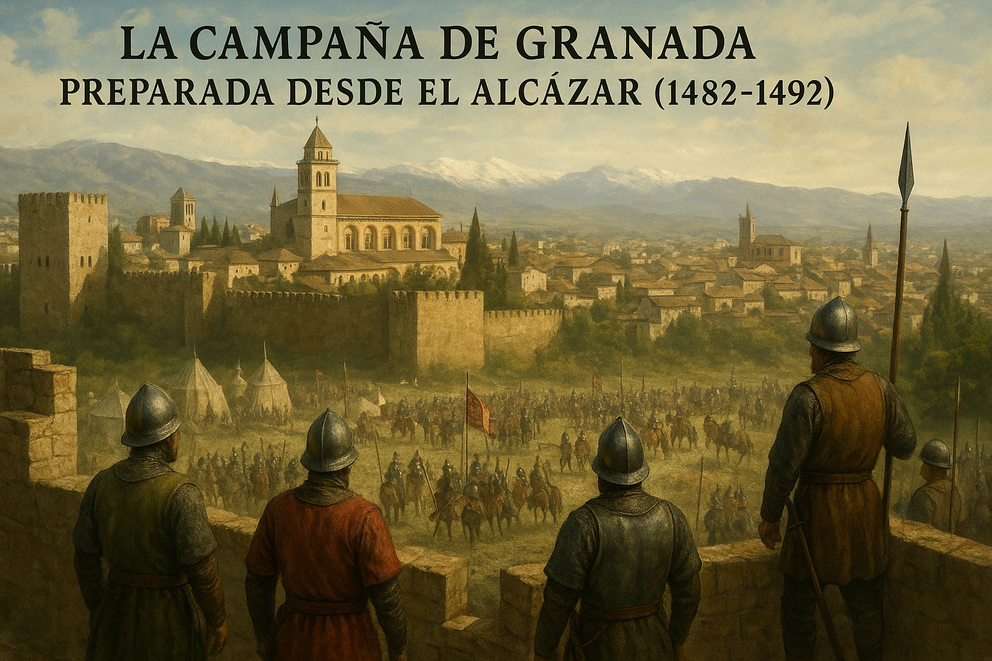
The Alcázar of Córdoba, one of the gems of Hispano-Muslim architecture, stands out not only for its architectural beauty but also for its crucial role in Spanish history. During the final phase of the Reconquest, between 1482 and 1492, the Alcázar was a key centre from which the campaign that would lead to the conquest of the Kingdom of Granada was planned. This post explores that important chapter and how the Alcázar shaped the military and political events of the time.
Historical context of the Reconquest
The Reconquest was a long process spanning several centuries, in which the Christian kingdoms of the north fought to recover the territories held by the Muslims on the Iberian Peninsula. By the 15th century, the Kingdom of Granada was the last Muslim stronghold, and its conquest symbolised the end of this historical period. The Catholic Monarchs, Isabella of Castile and Ferdinand of Aragon, took on this challenge, and the Alcázar of Córdoba became a focal point.
The strategic role of the Alcázar
The Alcázar served as the military and administrative headquarters from which the logistics of the troops were organised. Its strategic location made communication with other areas easy and offered protection thanks to its sturdy walls and defensive design. Planning the campaign was made easier by the Alcázar’s capacity to house senior commanders and by its infrastructure, well suited to wartime needs.
Facilities and resources
During the preparations for the campaign, the Alcázar had several important facilities:
- Meeting rooms for strategic advisers
- Stores for provisions and arms
- Barracks to house troops
All this allowed the Alcázar to function as a true operations centre in the struggle for Granada.
The campaigns before Granada
Before the capture of Granada, the Catholic Monarchs carried out several campaigns in which the Alcázar played a fundamental role. These included the conquest of Loja and the Battle of Lucena, which laid the groundwork for reaching Granada. From the Alcázar, the monarchs could coordinate movements and strategies, keeping their troops united and motivated.
Logistics and troop mobilisation
Managing resources and mobilising troops were crucial. The Catholic Monarchs introduced efficient administrative measures that made it easier to send reinforcements and supplies. This was vital during the most gruelling stages of the campaign, when careful planning and control of the terrain made all the difference.
The siege of Granada
The siege of Granada was the culmination of almost a decade of military strategy. The Alcázar confirmed its importance as a nerve centre during this final phase: crucial orders were issued from there and the progress of the troops was closely monitored.
Key events during the siege
The siege included several important events:
- Skirmishes and battles around the city
- The gradual surrender of towns in the Kingdom of Granada
- The eventual triumphant entry into Granada
Each of these stages was managed from the Alcázar, demonstrating its importance in Spain’s military history.
Consequences of the conquest
The fall of Granada in January 1492 marked the end of the Reconquest and opened a new chapter in Spanish history. It meant territorial unification and also had consequences for the Alcázar of Córdoba itself. After the conquest, the Crown used the monument in a new context, as a symbol of triumph and of a new religious and political order.
Cultural impact
The conquest of Granada and the recovery of territories in Andalusia transformed the cultural dynamics of the region. In its new phase, the Alcázar was influenced by this cultural blend, even serving as a meeting place for different communities and their traditions.
Tips for your visit
If you are planning to visit the Alcázar of Córdoba, here are some useful tips:
- Opening hours: check the opening times before you go, as they can vary by season.
- Tickets: it is a good idea to buy tickets in advance, especially in high season.
- Guide: consider joining a guided tour; an expert can give you detailed information that will enrich your experience.
- Comfortable clothes and shoes: be ready to walk and explore. Wear comfortable shoes and clothing suited to the weather.
FAQ
How much time should I allow to visit the Alcázar?
We suggest allowing 1.5 to 2 hours to explore the Alcázar and enjoy its different spaces.
What can you see inside the Alcázar?
The Alcázar is home to gardens, courtyards and historic halls, each with its own architectural and artistic character.
Are guided tours available?
Yes, there are several guided tour options offering detailed information about the history and architecture of the site.
Is it accessible for people with reduced mobility?
Yes, the Alcázar has adapted access for people with reduced mobility.
Conclusion
The Alcázar of Córdoba is not only an impressive architectural monument but also a rich source of history that significantly influenced the course of the Reconquest. For anyone interested in Spanish history and Muslim culture, a visit to the Alcázar is a must. Book your guided tour today and immerse yourself in the fascinating history of this fortress.